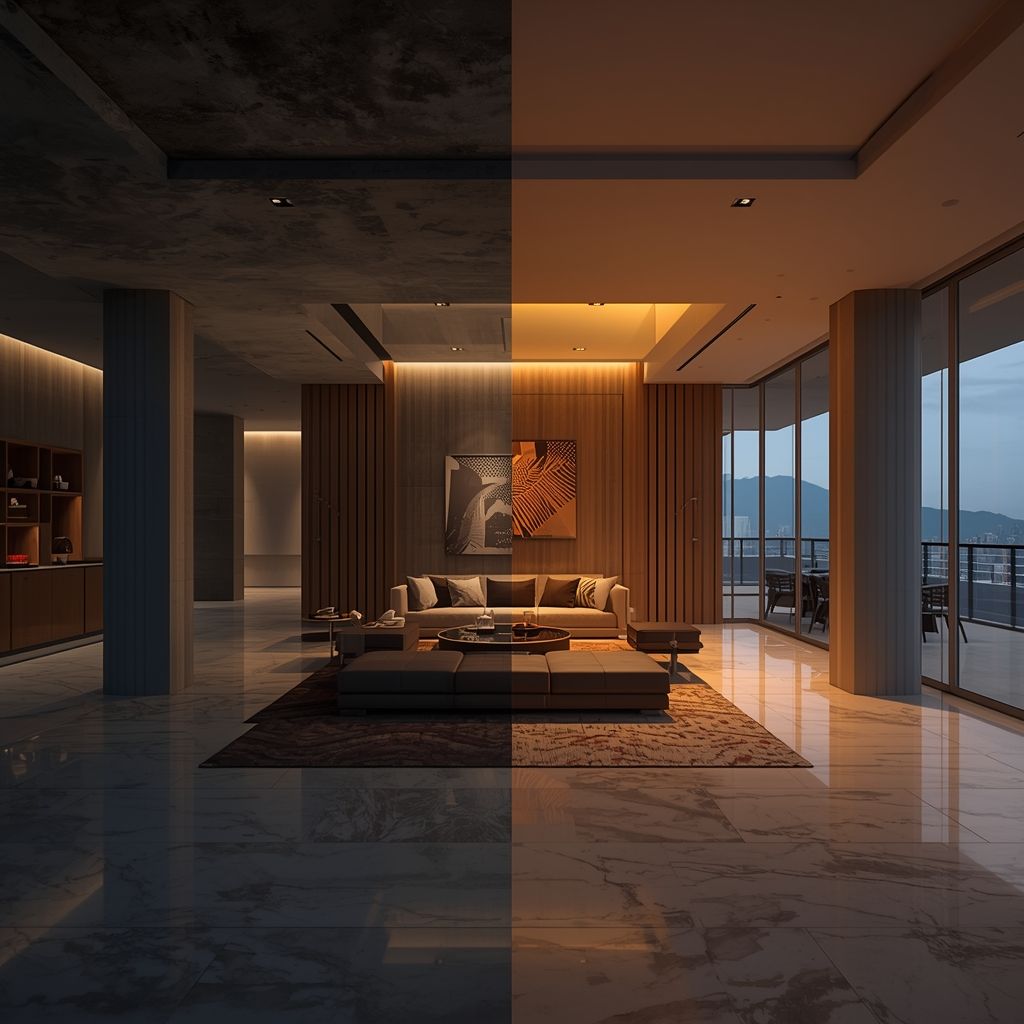
The future of lighting
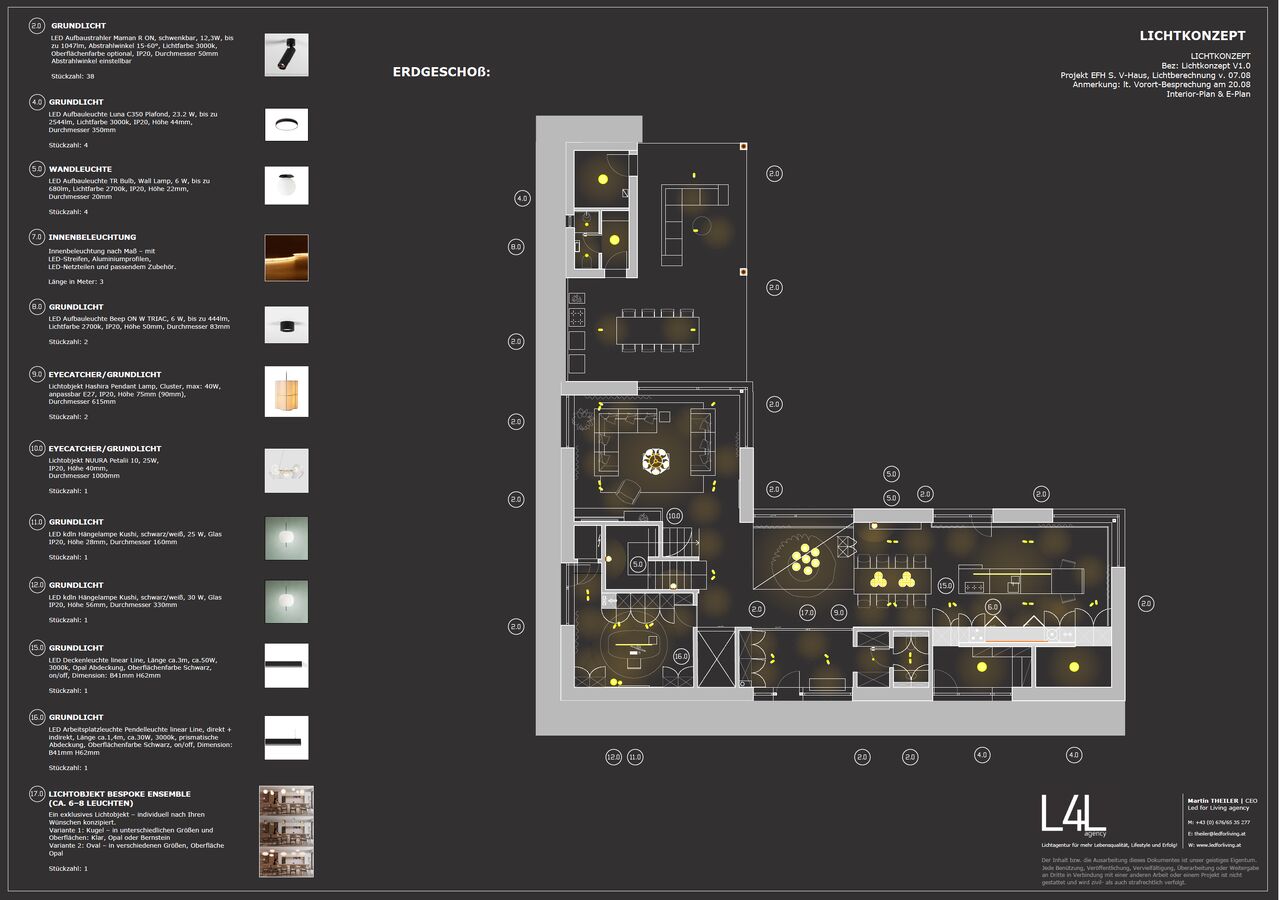
Do you know that? A well-thought-out architectural design is in front of you, every detail planned precisely — down to one decisive aspect: lighting.
“The lighting design? It'll come later. Kind of. From someone.”
A sentence that comes up again and again in architectural firms and among building owners — and that makes every lighting expert shiver.
Because light is not an appendage of architecture. It is their heartbeat. It defines how spaces are perceived, influences the well-being of users and can fundamentally change the character of a building. Nevertheless, lighting planning is often regarded as a secondary task that is completed “sometime later.”
This practice is facing radical change. My thesis: In 5 years, no architect will be planning without digital lighting visualization.
Why am I convinced of this?
Because the digitization of lighting design is not just a technological advance, but a fundamental realignment of our industry, which promotes creativity, efficiency and sustainability in equal measure.
Imagine: The construction project is nearing completion, but suddenly questions arise about lighting:
These uncertainties create what we as “Light stress” describe — a condition that leads to sleepless nights for architects, planners and building owners.
The consequences are often serious:
The good news: Thanks to digital workflows and innovative technologies, lighting stress can now be completely avoided.
In over 200 completed projects in the DACH region, we have observed a remarkable transformation at LEDFORLIVING:
The figures speak for themselves:
The decisive factor?
The integration of lighting planning into the early design process — made possible by digital tools and methods.
At the heart of this transformation is a structured, fully digitized workflow, which we as Gamechanger lighting method have described.
This approach is revolutionizing traditional lighting design in five decisive steps:
Even in the earliest project phase, architectural visions, functional requirements and atmospheric goals are digitally recorded and translated into a holistic lighting concept.
Long before the first luminaire is installed, customers experience the lighting effect in photorealistic 3D renderings — a game changer for decision-making processes and customer communication.
Exact lighting calculations, standard-compliant planning and detailed product specifications create maximum planning security and a reliable basis for decision-making.
With access to over 300 international manufacturers and the opportunity to develop exclusive custom-made products, tailor-made solutions are created for every architectural challenge.
A seamless digital workflow ensures smooth coordination of all parties involved up to final approval — regardless of location and in real time.
The digital transformation of lighting design is being driven forward by various key technologies:
These technologies enable: more efficient planning processes and better results in terms of aesthetics, functionality and sustainability.
The early integration of lighting planning and the digitized workflow drastically reduces planning times and avoids expensive improvements.
Digital lighting calculations and photorealistic visualizations eliminate surprises and ensure that the implemented solution exactly meets expectations.
The ability to digitally test and visualize various lighting scenarios opens up new creative horizons.
Digital lighting planning enables precise optimization of energy consumption and use of resources.
The paradigm shift is already in full swing: Instead of isolated planning processes, we are experiencing seamless digital collaboration between architects, planners and lighting experts — in real time, regardless of location and with immediate visual feedback.
Trends that further accelerate this:
The future of lighting design is digital, collaborative and visual. It doesn't start “later”, but from the first draft.
The decisive question is no longer:
Whether digitization will change lighting design — but How quickly you can use this change for your success.
How much does professional digital lighting planning cost?
Costs vary depending on project size and complexity. Typically 2-5% of the total budget, but usually pays off within a few years due to avoided error costs and energy savings.
How long does a typical digital lighting planning process take?
With the Gamechanger lighting method: up to 40% shorter planning times. Single-family house: 2-3 weeks, more complex commercial projects: 4-8 weeks.
What requirements do I have to meet?
CAD plans or 3D models of the project. The lighting planning partner takes care of all further steps.
How does digital lighting design differ in the roof area?
High standards in terms of energy efficiency, compliance and quality combined with innovative, aesthetically sophisticated solutions.
Can I assess the lighting effect in advance?
Yes — modern visualization technologies produce photorealistic representations of the lighting effect.
Discover how stress-free your lighting project can be with professional digital lighting planning. In a free initial consultation, we will analyse your project and define the next steps.
Secure a non-binding initial consultation for potential analysis now
Martin Theiler is a lighting expert and founder of LEDFORLIVING, the leading digital lighting agency in the DACH region. With over 15 years of experience and more than 500 completed projects, he is a pioneer in the field of digital lighting planning and developer of the Gamechanger lighting method.
If you have any questions:

.svg)
Address